The Donor Conversation I Practiced Before I Had It
I had a meeting coming up with a banking executive. A real ask. Significant money on the table, a relationship I'd been building for a while, and one conversation to get it right.
Most nonprofit leaders would have prepared the way we always prepare. Reviewed the talking points. Thought through the ask amount. Maybe run it by a colleague. Then walked in and hoped the conversation went the way it needed to.
I did something different.
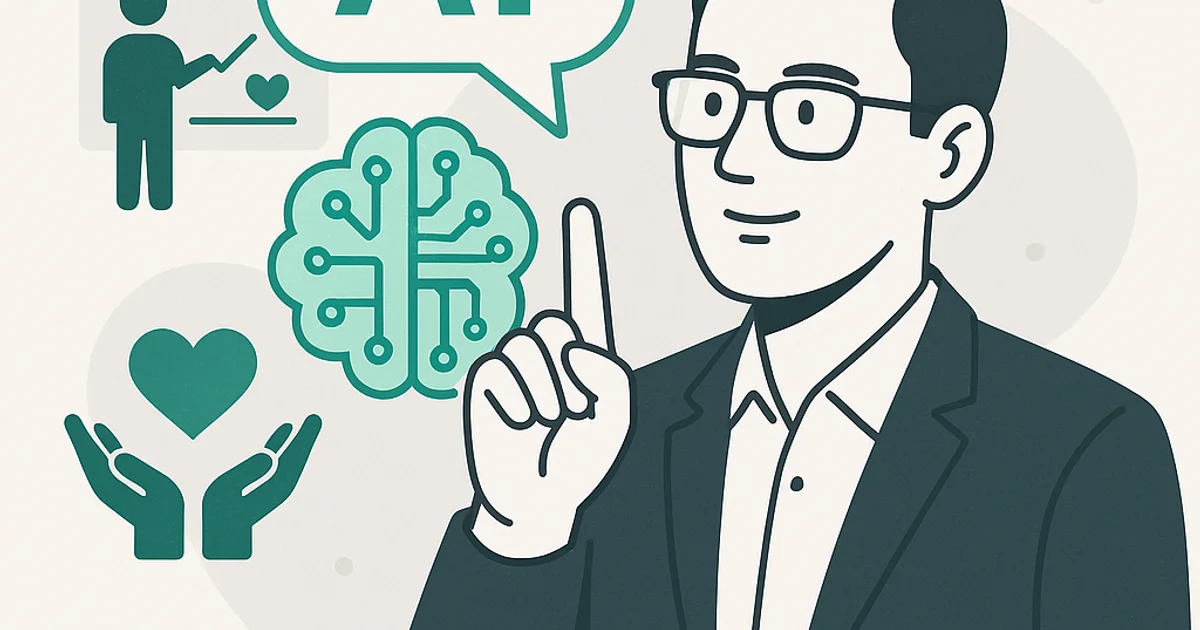
I built a GPT to roleplay the conversation before I had it. Not to script what I would say. Scripts don't survive contact with a real person. What I wanted was to find the holes — the questions I hadn't thought through, the objections I wasn't ready for, the moments where my reasoning went soft. The practice run wasn't about rehearsing lines. It was about stress-testing the thinking. I told the GPT who I was walking into the room with. The institution, the role, the likely concerns. I gave it context on the ask and the relationship. Then I ran the conversation.
It pushed back in ways I hadn't expected. Not aggressively — but specifically. It asked about sustainability beyond the initial commitment. It questioned whether the partnership framing I was using was clear enough from the bank's perspective. It surfaced a concern about organizational capacity that I'd been glossing over in my own preparation because I didn't have a clean answer for it.
That last one stopped me.
I didn't have a clean answer because I hadn't fully worked it out yet. The practice conversation made that visible before I was sitting across from someone who mattered. I had time to think it through, find the honest version of the answer, and walk in with it ready.
The real conversation went differently than the practice run — they always do. The actual person brought their own priorities, their own framing, their own way of asking things. But I wasn't caught off guard. I'd already been in a version of the room. The questions that came up felt familiar even when they weren't identical.
The commitment that came out of that meeting was fifty thousand dollars.
I don't say that to make AI sound like a fundraising formula. The relationship made that possible — years of showing up, building trust, demonstrating what the organization could do. AI didn't create any of that. What it did was make sure I walked in ready to honor it.
That's the thing about high-stakes conversations in fundraising. Most nonprofit leaders have them without ever practicing. Not because they don't care about the outcome, but because there's no obvious way to rehearse. You can't ask your program director to pretend to be a banking executive. You can't call the donor the night before and say you want to run through it first. The practice just doesn't happen.
AI makes it happen.
Not as a simulation of the person — no GPT knows your specific donor the way you do. But as a way to surface what you haven't thought through yet, to find the soft spots in your reasoning before they get exposed in the room. To show up having already done the hard part of the preparation.
That shift — from hoping the conversation goes well to knowing you've been in a version of it already — changes how you carry yourself. And how you carry yourself in a room like that is not a small thing.
HeadspaceGenie includes tools built around exactly this kind of preparation.
Because the relationships have to come from you. AI just makes sure you show up ready for them.